A neurotoxin once believed to be confined to a remote Pacific island has now been detected in Florida’s coastal waters, winds, marine life, and even in certain foods sold in local supermarkets. Scientists say the substance appears in the brains of people with severe cognitive deterioration — and may be a missing link in understanding why some adults lose memory at an alarming rate while others do not.
In a statement shared with the press, a well-known philanthropist said that after his own father died from a rapidly progressing neurological disease, he partnered with a renowned neurosurgeon and a leading ethnobotanist to launch what he called “the most important neurological discovery of our generation.” According to the philanthropist, this collaboration brought together clinical medicine, environmental science, and indigenous knowledge—creating, for the first time, a complete understanding of the toxin and the natural substance capable of protecting the brain against it. “This is the moment when we are closest to changing the future of cognitive health,” he said.
Guam: where the mystery began — and where the toxin showed its true power

Decades ago, the Pacific island of Guam experienced one of the most troubling neurological catastrophes ever recorded.
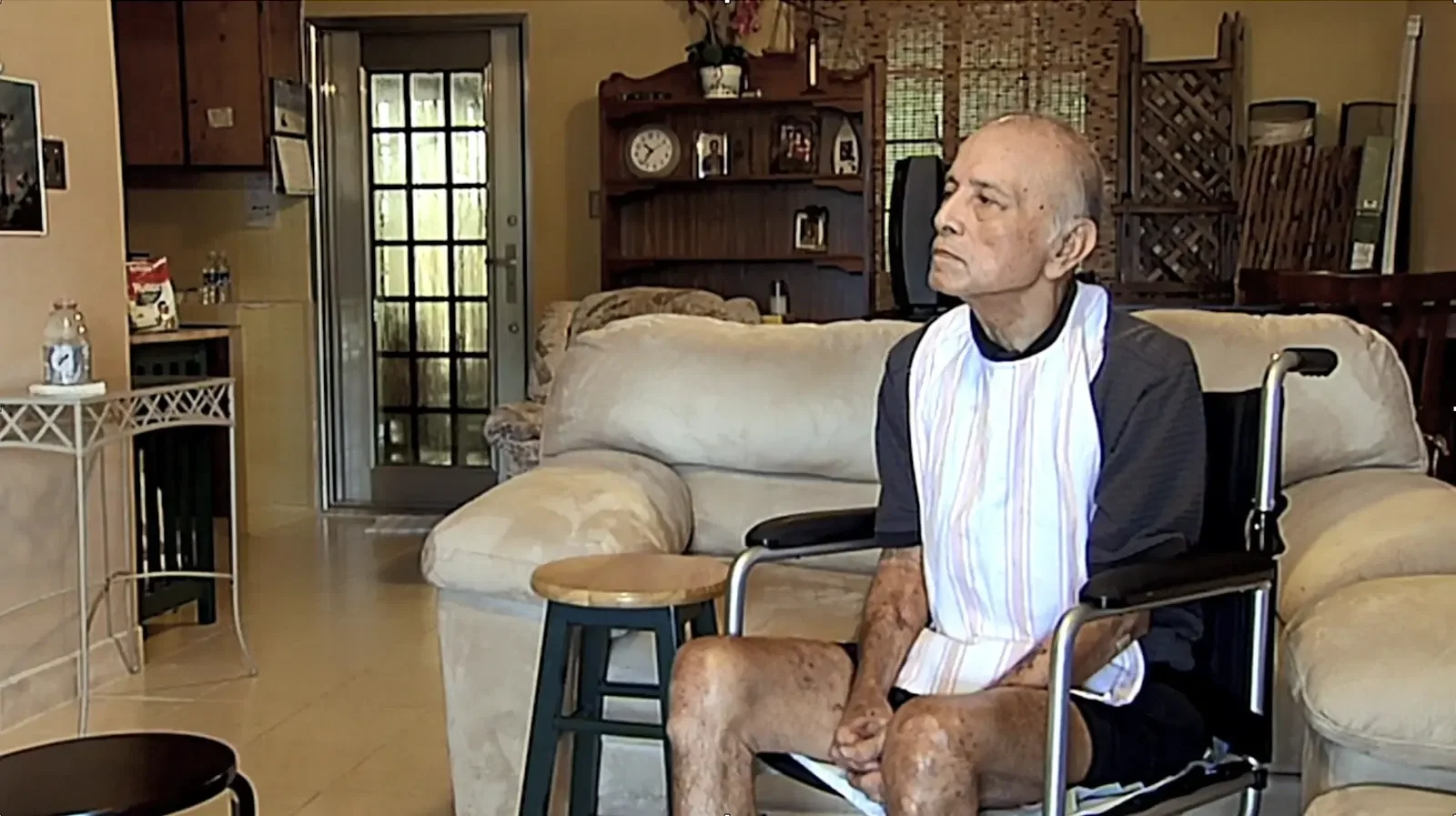
Adults and seniors began developing rapid, unexplained cognitive decline at rates scientists had never seen.
Etnobotanist Dr. Paul Ashworth traveled to the island to investigate. What he witnessed changed the course of his career.
“Watching what this toxin did to the elderly on that island… It was like witnessing hell manifest on Earth.”
— Dr. Paul AshworthAshworth later discovered the cause: BMAA, a neurotoxin produced by cyanobacteria infiltrating the island’s food and water supply.
Guam was the world’s first warning.
No one listened.
Now the same toxin is in Florida
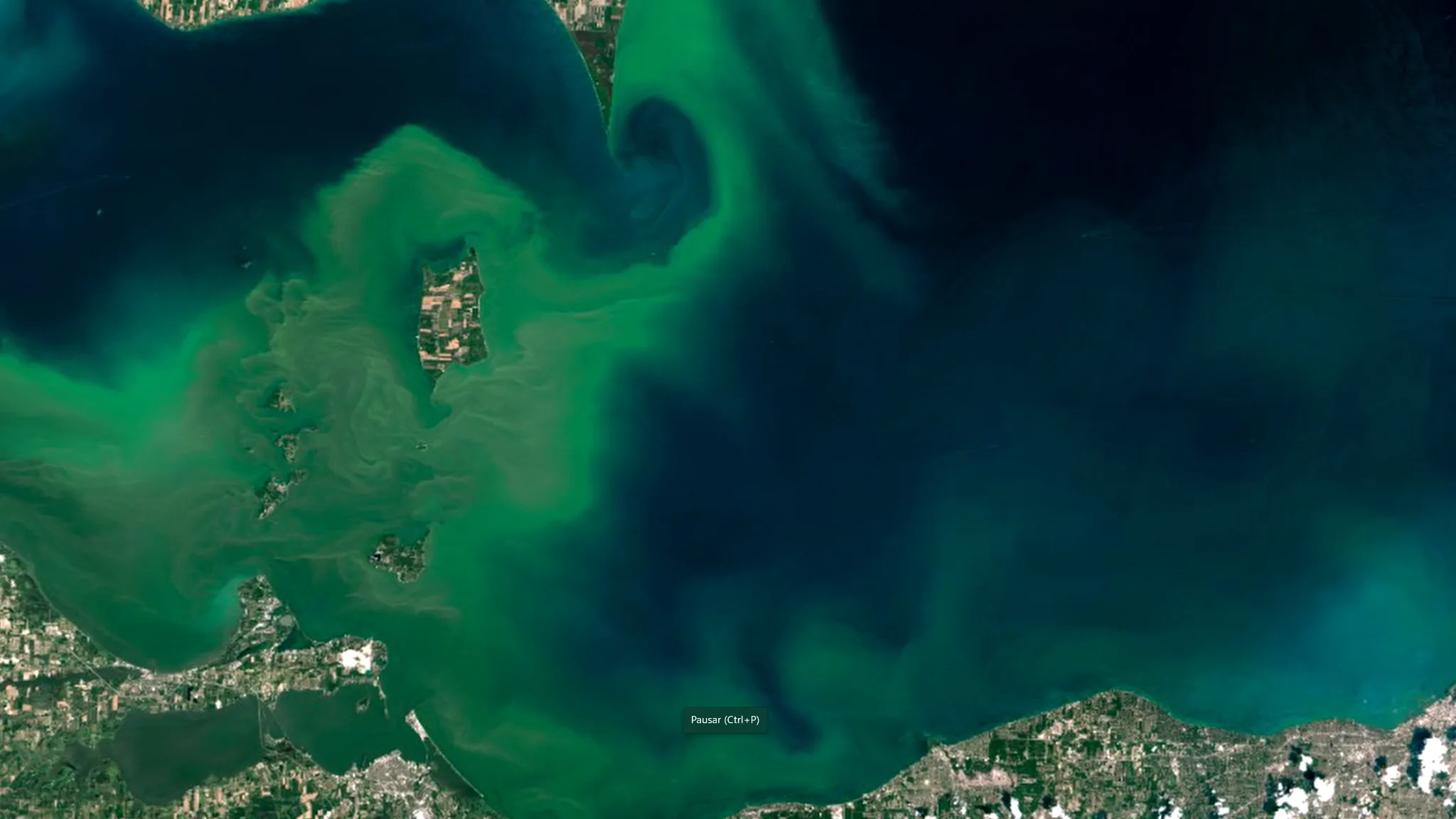
Multiple environmental studies reveal that BMAA is now present in:
- coastal waters
- airborne aerosols carried by sea winds
- algae
- marine animals
- irrigation systems
- and even “healthy” produce sold in Florida supermarkets
“Every American has been exposed to this substance at some point in life. The real problem is: some will develop severe cognitive damage… and others won’t. Right now, we cannot predict who is at risk.”
— Researcher, in a local interviewHuman brain samples in Florida revealed the same alarming picture
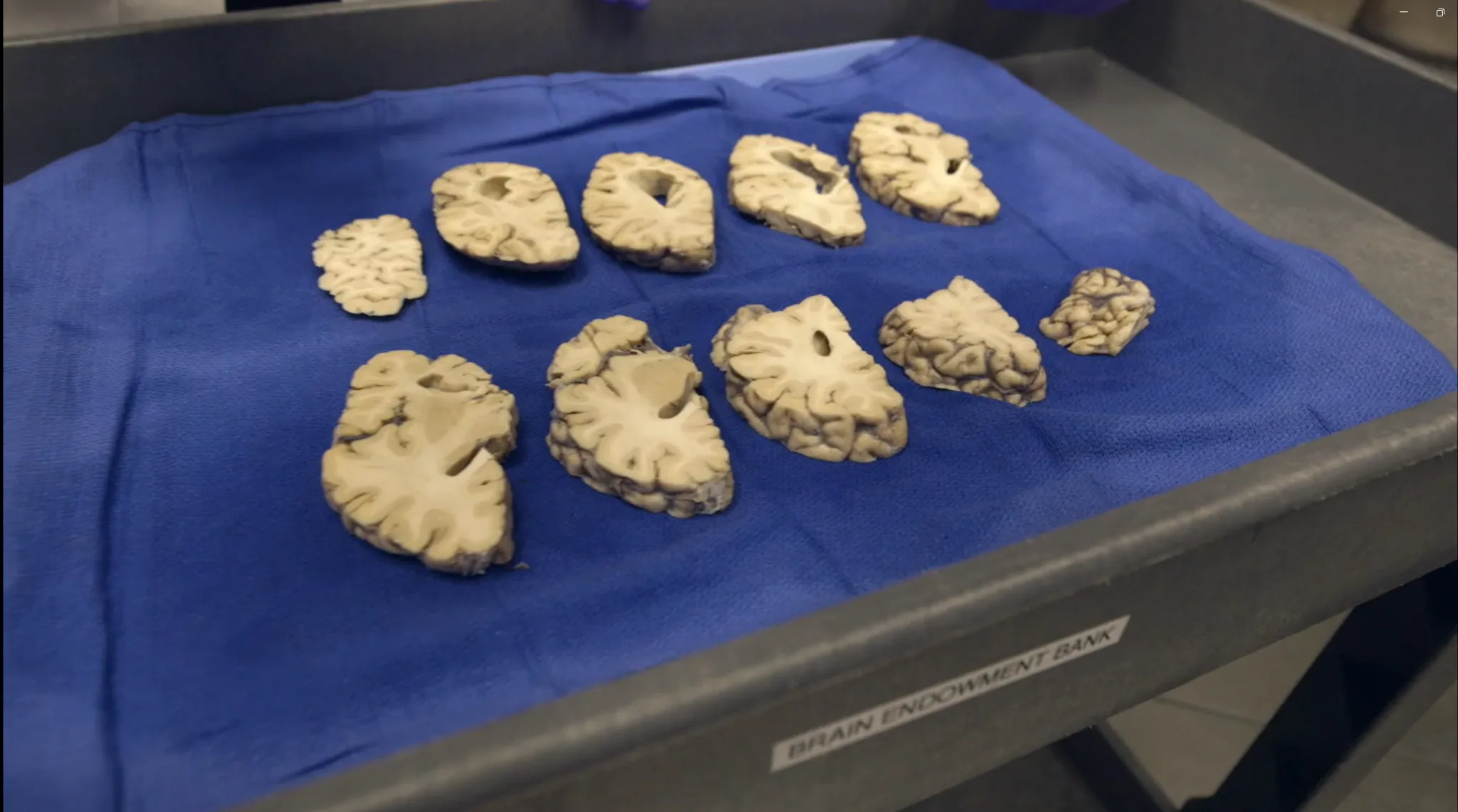
A confidential report obtained by a national news organization examined the brains of individuals who died with advanced cognitive deterioration.
The result stunned researchers:
100% of the samples contained BMAA.One neurologist involved said:
“There wasn’t a single negative case. Statistically, it’s undeniable.”
But there is one place in the world untouched by cognitive decline: Okinawa
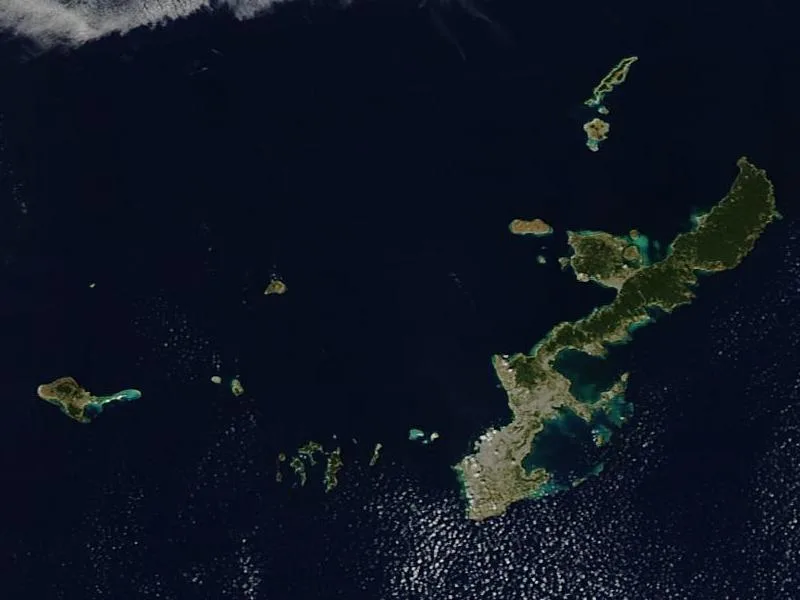
While Guam collapsed, Okinawa — another Pacific region — became a global neurological anomaly.
Its elderly population exhibits:
- sharp memory
- intact reasoning
- extremely low rates of cognitive decline
- preserved mental clarity well past 100
This despite living in similar oceanic conditions.
Dr. Ashworth traveled to Okinawa next. What he found was revolutionary.
Ashworth discovered that Okinawans consume unusually high levels of L-serine, an amino acid essential for:
- neural repair
- myelin formation
- metabolic stability in nerve cells
Research suggests L-serine can:
- block metabolic pathways affected by BMAA
- halt the progression of toxin-related neural damage
- and preserve communication between neurons
But L-serine alone was not enough to explain Okinawa’s perfect cognitive resilience.
There was more.
The Okinawa Triad: L-serine + 3 ancestral herbs that amplified the protection

Ashworth studied the diet further and uncovered three rare plants consumed daily in Okinawa. They share common names with Western herbs but are completely different species — with dramatically superior bioactive profiles.
- ✔️ Pacific Wild Bacopa (Bacopa monnieri var. pacifica)
Up to 3x more bacosides than commercial Indian bacopa. - ✔️ Okinawan Coastal Rhodiola (Rhodiola japonica var. littoralis)
Marine-adapted; higher salidrosides; stronger antioxidant impact. - ✔️ Okinawa Meiyo Mint
A rare local mint species with aromatic compounds that increase L-serine absorption and stabilize neural pathways.
“L-serine is the shield. But these herbs are the reason the shield works flawlessly.”
— Dr. Paul AshworthHuman volunteer trials in the U.S. showed results described as “insane”
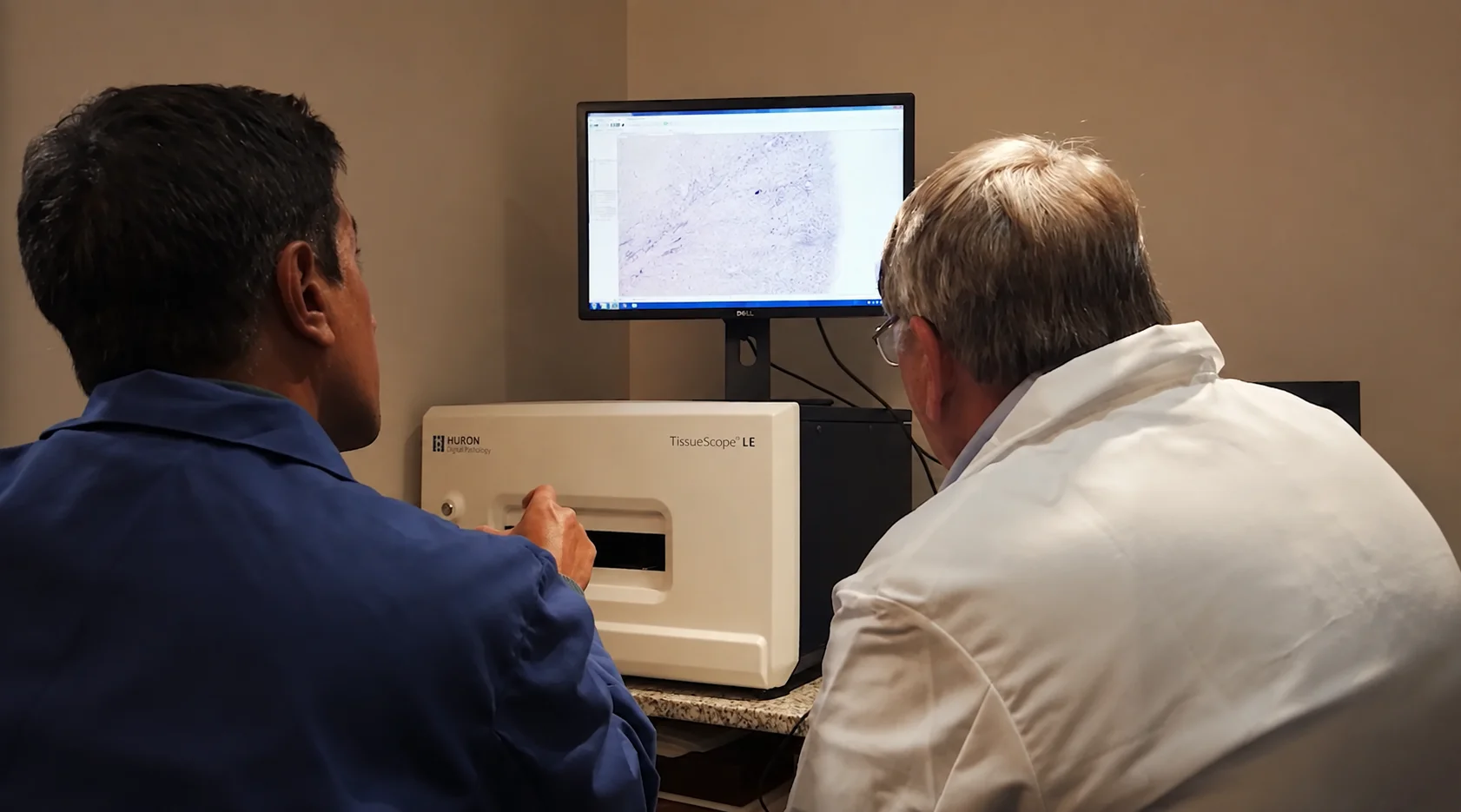
Researchers replicated the Okinawan combination — L-serine + the three herbs — and gave it to volunteers aged 52 to 78.
After 6 months:
- mental clarity skyrocketed
- short-term memory lapses decreased
- sustained focus improved
- processing speed increased
- many described the sensation as “my mind woke up again”
“We’ve never seen natural compounds produce this level of cognitive change.”
— Lead ScientistAnd that’s why Neuro Mind Pro was created.
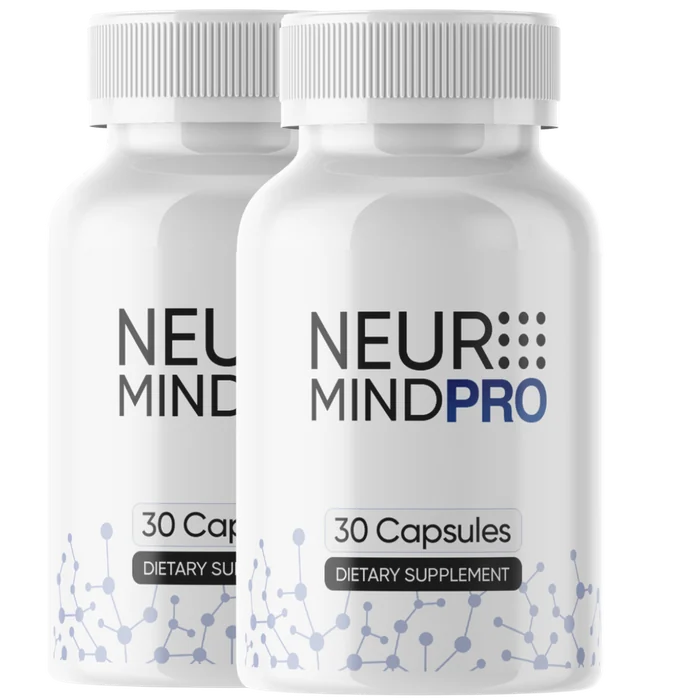
Neuro Mind Pro is the only solution that combines L-Serine with the three Okinawan herbs to help combat severe cognitive decline and memory loss.
What People Are Saying About Neuro Mind Pro

“My father has struggled with severe memory loss for five years, and it all started with small things—forgetting where he put his keys, why he walked into a room, or even what he wanted to say. Fortunately, I bought Neuro Mind Pro, and I can’t express how grateful I am to see his brain fog disappear. It’s incredible to see him smiling and enjoying happy moments with the family again!”
Scout Winters

“I never imagined I’d see my wife slowly losing pieces of herself. After we found Neuro Mind Pro, I started noticing changes I hadn’t seen in years. Today, seeing her laugh, tell stories, and enjoy time with our family again means more to me than words can express.”
Harold Smith
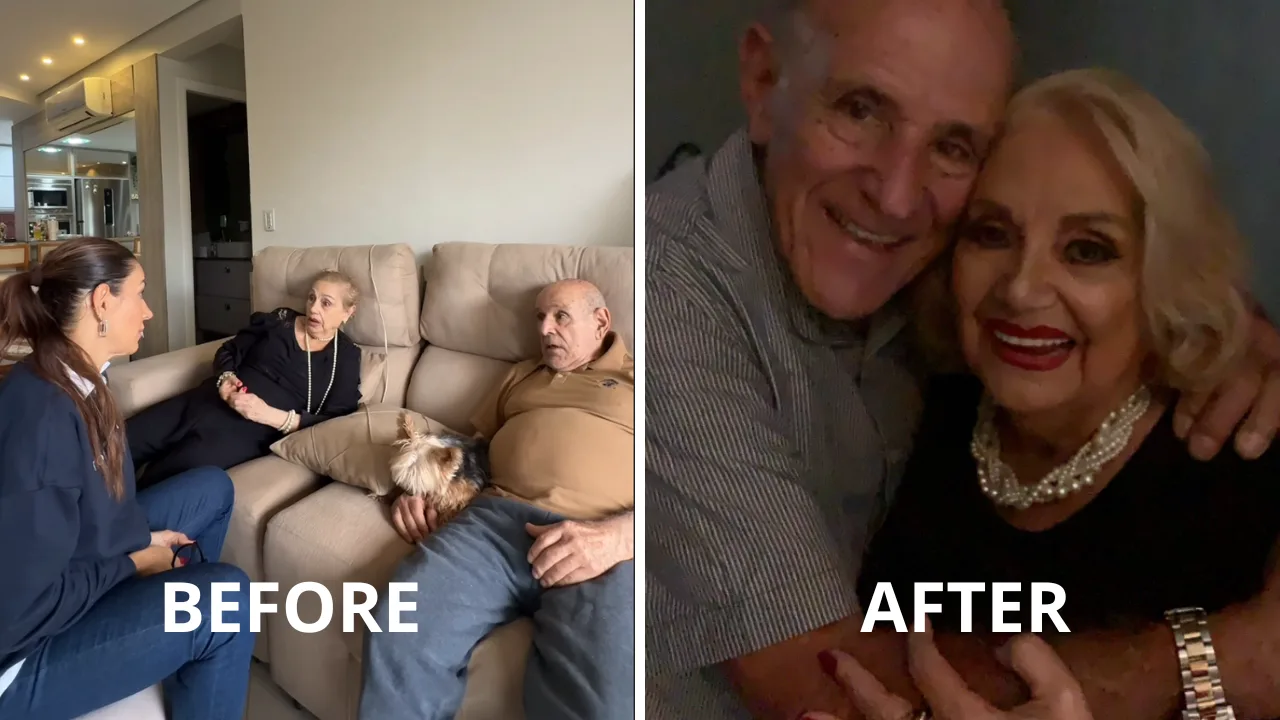
“Within just six months of each other, both my mother and father began struggling with severe memory loss. My world fell apart—I felt like I was losing them both at the same time. Neuro Mind Pro changed everything. Today, my parents are back to being the loving, joyful people I remember.”
Michelle Simons
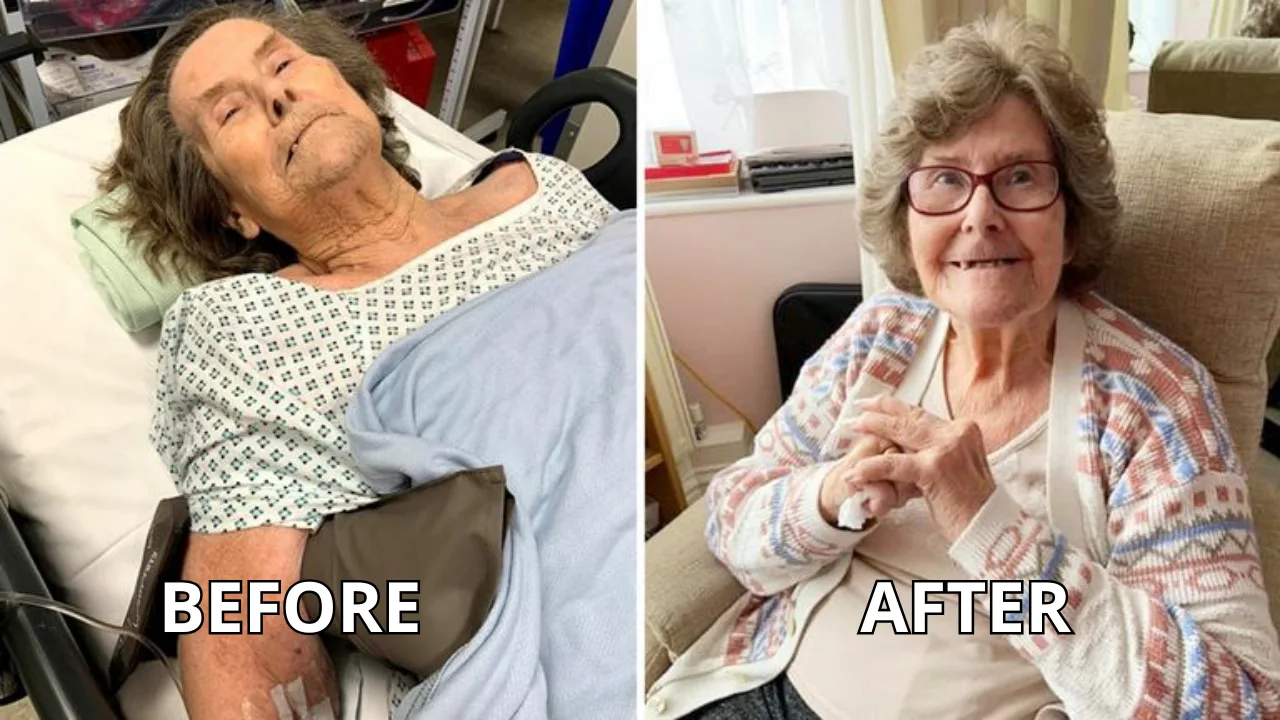
“Living with cognitive decline is like being lost all the time! You can’t tell what’s real, because everything bad becomes your life! Neuro Mind Pro got me out of that hell! Today I feel stronger than ever!”
Emma Carson

“My mother had to live in a nursing home for five years! I saw her decline day after day! I had to convince the nurse who cared for her to give her Neuro Mind Pro every day. After all, we had nothing to lose! And that saved my mother’s mind!”
Dianna Carter
Why Neuro Mind Pro Works (in 3 Simple, Hard-Hitting Answers)
1️⃣ Because it targets the root cause — not the final symptom
Most alternatives try to “wake up” your neurons: caffeine, stimulants, generic vitamins…
But there’s no point reactivating neurons if something is still attacking them.
The cyanotoxin identified in Guam — and now found in Florida’s water, wind and food supply — continues to affect neural pathways silently and continuously.
👉 If you don’t address that, the decline keeps happening, no matter what else you take.
2️⃣ Because it uses the only natural combination proven to block the toxin’s impact
Neuro Mind Pro replicates the exact nutritional pattern that protects Okinawa — the only place on Earth where adults in their 90s and 100s remain mentally sharp.
The key is:
- ✔️ L-Serine — Supports myelin, stabilizes neural pathways, blocks toxin-linked metabolic disruptions.
- ✔️ The Okinawa Triad — Three rare, wild botanical species far more bioactive than common “bacopa” or “rhodiola.”
- Pacific Wild Bacopa (3× higher bacosides)
- Coastal Rhodiola Littoralis (marine-adapted; more stable compounds)
- Okinawa Meiyo Mint (boosts L-serine absorption and neural efficiency)
This trio doesn’t exist in any typical memory supplement.
3️⃣ Because human trials showed results researchers called “insane”
In volunteers aged 52–78, the combination produced dramatic improvements:
- clearer thinking
- fewer memory slips
- faster reasoning
- stronger focus
- a noticeable “mental awakening” effect
“We’ve never seen natural compounds create this kind of cognitive shift.”
— Lead Researcher👉 That’s why Neuro Mind Pro doesn’t just “compete” with other products — it operates in an entirely different category, addressing what they never touch.
IF YOU’VE READ THIS FAR, YOU’RE OUR SPECIAL READER AND YOU DESERVE THIS SUPER DISCOUNT!!
PLUS, BY CLAIMING YOUR DISCOUNT TODAY, YOU’LL AUTOMATICALLY BE ENTERED INTO A DRAW TO WIN AN EXCLUSIVE CRUISE TRIP! DON’T MISS THIS CHANCE!
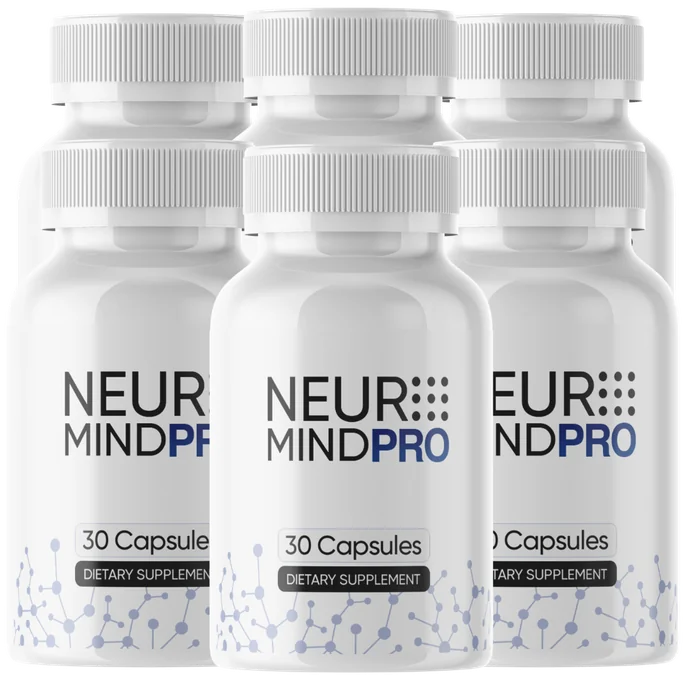
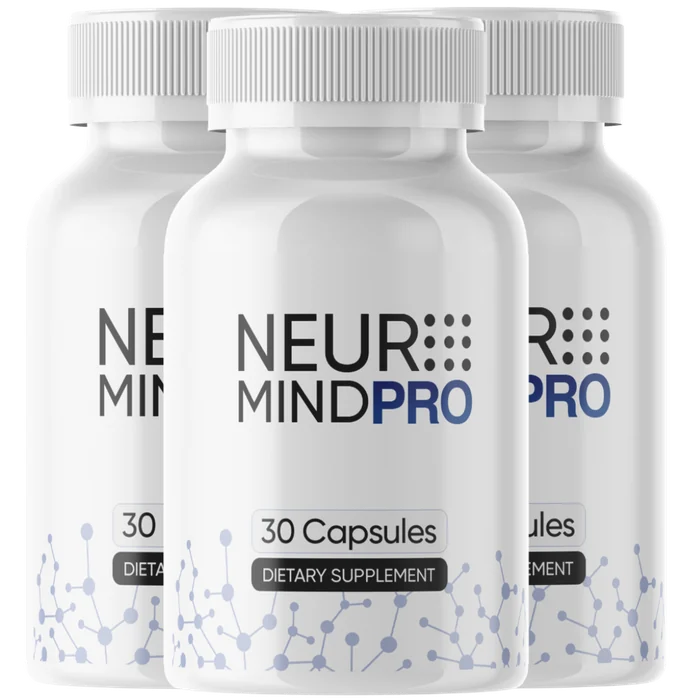
For a limited time, you can purchase Neuro Mind Pro at a discounted price to improve your brain function, with free shipping on qualifying orders!
Once ordered, Neuro Mind Pro will be delivered straight to your doorstep, ready to use. If you’re looking to effectively boost your memory and reasoning, use Neuro Mind Pro — it’s designed to deliver incredible results.
Due to high demand, the number of discounted samples is limited, so act fast!
Choose Your Discounted Neuro Mind Pro Package With Our Special Time-Limited Offer!
-
 Neuro Mind Pro Bottles Remaining: 218

Enjoy FREE SHIPPING on 3 and 6-Bottle Orders!
*For long-term results, we recommend choosing the 6 bottle option


100% Satisfaction or Your
Money Back
60-Day Unconditional
Guarantee
If for any reason within 60 days you're not satisfied with the product, just send an email to [email protected] and we'll immediately buy back all the bottles from you at the same price you paid — no questions asked and no hassles.